
Mortgage Lender in Chicago
Experienced mortgage lender serving Chicago and surrounding Illinois communities. Find the right loan program for your situation.
Honest pricing, clear guidance, and a local team that picks up the phone — from first question to final signature.

Loan Types We Specialize In
Explore the loan programs available to Chicago, IL home buyers and homeowners.
Serving Homebuyers in Chicago
If you’re looking to buy or refinance a home in Chicago, you’ll find the landscape here is anything but one-size-fits-all. I work with buyers and owners across the city—families choosing a classic bungalow in Portage Park, professionals eyeing a River North condo, investors considering a two-flat in Logan Square, and folks from every walk of life who want to make a piece of Chicago their own. My experience covers FHA, VA, and conventional loans, along with renovation options, multi-unit financing, and the many local resources available to buyers here. If you’re trying to figure out what works in Chicago, let’s look at the whole picture together.
What Buying a Home in Chicago Is Really Like
Chicago is a city of neighborhoods, and each one comes with its own quirks when it comes to buying a home. If you’ve spent any time searching here, you’ve seen how many of the listings are condominiums—especially in areas like Lakeview, South Loop, and West Town. Financing a condo in Chicago isn’t just about qualifying yourself; association budgets, project approval, and even the percentage of investor ownership can all play a real role. I spend a lot of time upfront checking the details, so you don’t get halfway through the process and run into a snag with the association’s paperwork.
Two- to four-unit properties are everywhere in Chicago, from classic greystones in Bronzeville to brick two-flats in Avondale. These homes open up different strategies—sometimes rental income can help you qualify, but lenders want to see clear lease agreements and realistic rent numbers. I always talk through what to expect with income calculations and what documentation will be needed, because not every multi-unit is treated the same. There’s an art to getting these loans structured so they make sense for your goals.
Older homes are the rule, not the exception, in much of Chicago. That means appraisals routinely flag peeling paint, outdated electrical, or worn-out roofs. If you’re looking at a place that needs work, renovation financing can be a smart way to tackle repairs right out of the gate. I’ll explain why this matters and what needs to be lined up so nothing gets held up at closing. Sometimes we plan for repairs in advance; other times, we explore programs that let you finance updates into the loan.
In areas like Lincoln Park or the Gold Coast, prices can climb to a level where standard loan programs may not cover the full purchase. Jumbo financing comes into play, and those loans involve extra documentation and stricter guidelines. Timing can also get tricky—especially in neighborhoods where competitive offers are common. I work with buyers to strengthen preapprovals and set expectations about what will be needed if you find yourself in a bidding situation. In Chicago, what works for one block might not work for the next, so the plan has to fit your specific scenario.
How We Help Chicago Buyers and Homeowners
Every client who comes through my door has a different story, and that’s especially true in Chicago. First-time buyers often want to know about grants or down payment resources, but they’re also asking, “What questions haven’t I answered yet?” I walk through the options—sometimes layering resources from the city or state, other times structuring the financing so you hold onto more of your own funds. The goal isn’t simply to qualify—it’s to make sure the financing makes sense for the life you’re building.
If you’re already a homeowner and looking to move up, downsize, or refinance, we start by asking, “What are your priorities?” Maybe you need to coordinate a sale and purchase at the same time, or maybe you’re considering tapping into equity for renovations. We look at the whole picture and create a strategy based on what you’re trying to accomplish. There may be another way to get there, so let’s see what options are available before we decide how to structure this.
Self-employed, 1099, and commission-based buyers are common here—especially in creative and professional fields. Chicago’s underwriting isn’t always straightforward for these clients. I spend extra time upfront reviewing your income documentation and explaining how lenders see things. It can mean looking at tax returns differently, or it might involve a longer conversation about how to document bonus or seasonal income. If you’ve been told no elsewhere, let me take a second look. Sometimes there’s a responsible path forward that just needs a little more strategy.
Condos and multi-unit properties come with their own set of challenges. For condos, I’ll walk you through association questionnaires, insurance requirements, and what happens if a building is non-warrantable. For two-flats, three-flats, and four-flats, we talk through rental income, reserve requirements, and how to plan for repairs that might come up in the appraisal. And if you’re in a fast-moving market, I’ll be straightforward with you about what it takes to make a competitive offer in Chicago right now. My job is to understand what you’re trying to accomplish, so we can build a plan that actually works here.
Neighborhoods We Serve in Chicago
- Lincoln Park: Rows of brick townhomes and vintage walk-ups draw professionals and growing families. Financing here often means navigating jumbo loans and sometimes co-op or condo association rules.
- Logan Square: Known for two-flats and greystone multi-units, buyers here are often thinking about rental income. Renovation loans come up a lot, since some properties need updates before moving in.
- Hyde Park: With its mix of historic single-family homes and condos, this area attracts academics, students, and families. Older homes mean appraisals might flag repairs, so planning ahead is key.
- West Loop: Newer condos and lofts appeal to professionals, but association documentation and project approval can be deciding factors. We review these details early to avoid surprises.
- Bronzeville: Classic greystones and multi-units are everywhere. Buyers here ask about using rental income and sometimes need advice on layering first-time buyer resources.
- Lakeview: High-rise condos and townhomes are common. Association health and building amenities can affect loan approval, so we look closely at those pieces.
- Avondale: Single-family homes and two-flats attract first-time buyers and investors alike. Condition issues are frequent, so renovation financing is often part of the conversation.
- Gold Coast: High-end condos and co-ops are the norm. Jumbo financing comes up regularly, and buyers here often need to coordinate complex assets and documentation.
- Portage Park: Bungalows and brick homes draw families looking for more space. Many buyers here need to coordinate a sale and purchase, and appraisals can call out updates needed for older homes.
I work with buyers and homeowners across these neighborhoods and surrounding areas, always tailoring the approach to fit the specific property and client needs.
Programs Available to Chicago Buyers
Chicago buyers have access to several city and statewide programs designed to help with down payment or closing costs, but the specifics can shift year to year. For city-focused resources, the Chicago Housing Trust and the Department of Housing sometimes offer assistance to eligible buyers purchasing within city limits—these can be especially helpful for first-time buyers or those looking at affordable programs, though income and property restrictions apply. If you’re interested in these, I’ll confirm what’s currently available and walk you through the requirements and paperwork involved.
Illinois Housing Development Authority (IHDA) programs are available to Chicago buyers as well. These resources can be layered with certain types of financing and are often used by both first-time and repeat buyers who want to lower their upfront costs or preserve their savings. If you’re considering a two- to four-unit property, we can look at which programs will allow for that and how rental income fits in.
Program terms and eligibility can change, so I always confirm the current details for your scenario. Let’s look at the resources available to you and build a strategy around what you’re trying to accomplish.
Talk to Someone Who Knows Chicago
If you’re looking for answers that make sense for Chicago, let’s talk. I’m here to listen, ask questions, and walk you through your options—without any pressure. Every situation is different, and my job is to help you understand what’s possible with the resources and programs available here. If you want to know what fits, just reach out and tell me what you’re trying to accomplish.
About Lisa Jeanne Foster NMLS# 461656
Licensed Mortgage Professional at Homeowners Financial Group USA, LLC NMLS# 93718
With 35 years of mortgage experience, I specialize in helping homebuyers navigate the mortgage process with confidence. Licensed in CA, IL, NV. Whether you’re buying your first home or refinancing, I’m here to help you find the right loan for your situation.
📞 (702)742-0623 ✉ LFoster@homeownersfg.com 🌐 https://lisajfoster.com
Frequently Asked Questions
Can I use rental income from a two-flat or three-flat in Chicago to help qualify for a mortgage?
Yes, lenders in Chicago often consider projected rental income from two- to four-unit properties when determining your mortgage eligibility. You'll usually need to provide a rental analysis or copies of leases as part of your application.
Are there any special down payment assistance programs for homebuyers in Cook County or Chicago?
Chicago and Cook County both offer local down payment assistance programs for eligible buyers. These programs can provide grants or forgivable loans to help with your upfront costs, but you must meet specific requirements and apply through approved agencies.
What do I need to know about buying a condo in Chicago when it comes to mortgage approval?
Mortgages for Chicago condos require the building to meet certain eligibility standards, including occupancy rates and financial stability of the association. Some lenders have additional requirements for high-rise or mixed-use buildings, so it's important to check with your lender early in the process.
Can I get a renovation loan for an older Chicago bungalow that needs repairs?
Yes, there are renovation loan options available that allow you to finance both the purchase and the repairs of an older home. These loans typically require contractor estimates and additional documentation about the planned renovations.
Does the city of Chicago require any unique inspections or documents for mortgage approval?
Chicago sometimes requires specific municipal inspections, such as a point-of-sale inspection or certificates related to lead paint in older homes. Your lender or real estate agent can help you understand which local requirements apply to your property.
We pride ourselves on clear communication and easy access when you need us. Answer a few quick questions and an experienced, local professional will guide you from here.
We keep you informed and supported every step of the way.
A quick call with a local advisor is the easiest first step. No pressure, no credit check.
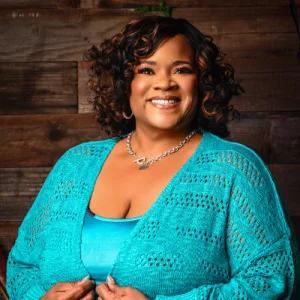
Lisa Jeanne Foster
30+ years of mortgage experience, one mission: leaving families better than I found them. I combine experience, strategy and creative solutions to make homeownership possible—even when the path isn’t simple.