
USDA Loans for First-Time Buyers in Las Vegas, NV
Buying a home with little or no down payment can provide opportunities for buyers that otherwise may not be able to become homeowners.
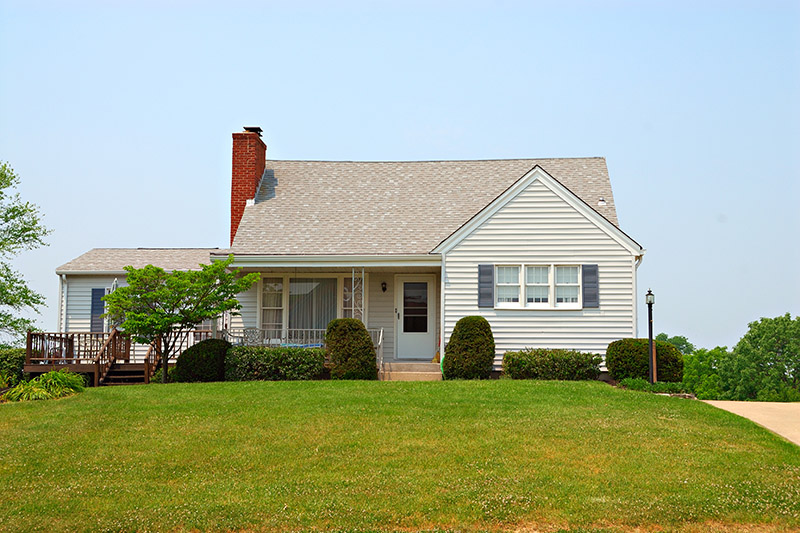
A USDA loan in Las Vegas, NV is a government-backed mortgage that may allow an eligible buyer to finance a primary residence with no down payment in a USDA-approved area. I’m Lisa Jeanne Foster, and I help buyers in Las Vegas, NV look at property eligibility, household income, credit, closing costs and other financing choices before deciding whether the USDA program makes sense.
Key Takeaways
- Zero-down financing: USDA loans may finance 100% of the purchase price for eligible borrowers and properties.
- Location requirements: The home must be within an area shown as eligible on the current USDA property map.
- Household income limits: USDA eligibility considers applicable income from the household, not only the income used to qualify for the mortgage.
- Primary residence: The property must be your principal residence rather than a vacation home or rental property.
- Program fees: USDA mortgages include an upfront guarantee fee and an annual fee based on current program guidelines.
- Property standards: The home must be safe, structurally sound and able to meet USDA appraisal and property requirements.
- Alternatives matter: FHA, VA and other low-down-payment programs may be worth comparing before you choose a loan.
Common Questions About USDA Loans
USDA loans combine borrower eligibility and property eligibility, so both parts must work before the loan can move forward. Here are direct answers to questions I hear from buyers evaluating this program.
- Does a USDA loan require a down payment? The USDA guaranteed loan program generally allows eligible buyers to finance the purchase with 0% down, but closing costs, prepaid taxes, insurance and inspections still need to be addressed.
- Can I use a USDA mortgage anywhere? No. Eligibility is determined by the property’s exact address under the current USDA map, and boundaries can change.
- Are there income restrictions? Yes. Current limits vary by location and household size, and certain allowable deductions may affect the final household-income calculation.
- Do USDA loans have mortgage insurance? USDA uses an upfront guarantee fee and an annual fee rather than conventional private mortgage insurance. Current amounts should be confirmed when you apply because program fees can change.
- Can a first-time buyer use the USDA program? Yes. You generally do not need to be a first-time buyer, although you must meet current occupancy, income, credit and property requirements.
- Can veterans compare USDA and VA financing? Yes. Eligible service members and veterans may want to compare USDA with VA home loan options, particularly because VA financing does not impose USDA geographic or household-income restrictions.
How USDA Loans Work
A USDA mortgage moves through several eligibility, documentation and property-review stages. I want to make sure you understand why each stage matters and what could affect the final decision.
- Define your priorities: We start with what you are trying to accomplish, what you want your payment to look like and how much of your own money you are comfortable using. Getting approved is one part of the conversation; making sure the numbers make sense is another.
- Review household and qualifying income: I review your employment, debts, assets, credit and applicable household income. USDA uses household income to determine program eligibility, while qualifying income is analyzed to determine whether the proposed payment can be supported.
- Check the property area: Before you rely on USDA financing in an offer, the specific address should be checked against the current eligibility map. A nearby home can have a different result if it falls on the other side of an eligibility boundary.
- Compare the full payment: I prepare the available loan figures so you can review principal, interest, taxes, homeowners insurance and the USDA annual fee. We can also compare an FHA home loan or other structure when the location, income calculation or property condition creates a concern.
- Complete appraisal and underwriting: The appraiser evaluates value and property condition, while underwriting reviews the credit, income, assets and supporting documents. Additional information or repairs may be required, and neither the lender nor loan officer controls the appraisal or final underwriting outcome.
- Complete the USDA review and closing process: An eligible file proceeds through the required lender and USDA review before final documents can be issued. I will explain outstanding conditions, updated figures and what I need from you, but timing can vary with documentation, property issues and agency workload.
Is USDA Financing Appropriate for You?
USDA financing may be a good fit when you want a primary residence in an eligible area, fall within current household-income limits and prefer to evaluate a zero-down-payment structure. In my experience, it often appeals to buyers who have funds available but want to compare how much of their own money actually makes sense to put into the transaction. It can also be useful for a first purchase, although you can review broader first-time home buyer options before choosing a program.
An alternative may be more appropriate when the property is outside an eligible area, household income exceeds the current limit or the home needs substantial repairs. FHA financing is available across a broader geographic area, while eligible veterans may find VA financing worth evaluating. Buyers who want to keep funds available can also review low down payment purchase options, but using available resources is a strategy to evaluate, not a promise of lower costs.
USDA Mortgage Costs, Fees and Timing
A zero down payment does not mean a zero-cost transaction. Your budget may still include lender and title charges, appraisal and inspection costs, prepaid homeowners insurance, property-tax reserves and initial escrow deposits. Seller-paid costs may be permitted within program limits and contract terms, while eligible costs may sometimes be financed when the appraised value supports it.
For example, on a $350,000 purchase, closing costs and prepaid items might total roughly $7,000 to $17,500 if they fall within a typical 2% to 5% range. That is only an illustration; property taxes, insurance, discount points, escrow timing and negotiated seller contributions can change the amount substantially.
| Feature | USDA Mortgage | FHA Mortgage | VA Mortgage |
|---|---|---|---|
| Minimum down payment | Generally 0% for eligible transactions | Generally 3.5% with qualifying credit | Generally 0% for eligible borrowers |
| Geographic restriction | Yes, based on the current USDA map | No program-based area restriction | No program-based area restriction |
| Household-income limit | Yes, under current USDA limits | No program household-income cap | No program household-income cap |
| Program fees | Upfront guarantee fee and annual fee | Upfront and annual mortgage insurance | Funding fee may apply; exemptions exist |
| Typical use | Eligible primary residence | Primary residence | Primary residence for an eligible veteran or service member |
USDA interest rates may compare favorably with some low-down-payment choices, but pricing depends on market conditions and your complete file. What I typically see is a timeline similar to other government-backed loans, with possible additional time for property repairs, documentation or USDA review; no closing date should be treated as guaranteed.
Common USDA Loan Mistakes to Avoid
The most common USDA problems occur when a buyer assumes that zero down is the only eligibility question. The following issues can affect qualification, available funds or the closing timeline.
- Searching without checking addresses: A subdivision name or mailing city does not establish USDA eligibility. Check the exact property before writing an offer that depends on this financing.
- Leaving out household income: Income from an adult household member may count toward the USDA eligibility limit even when that person is not applying for the loan. This is different from deciding whose income can support the mortgage payment.
- Moving money without documentation: If a relative deposits $8,000 into your account shortly before underwriting, the deposit may require sourcing and gift documentation. An unexplained transfer can delay the file or leave those funds unavailable for closing.
- Assuming every repair can wait: Safety, structural or habitability concerns identified by the appraisal may need to be corrected before closing. A property requiring extensive renovation may call for another financing approach.
- Forgetting prepaid expenses: Zero down addresses the purchase-price contribution, not inspections, insurance, tax reserves or other settlement expenses. Here’s what the numbers actually look like should be discussed before you make an offer.
- Changing employment or credit: Opening a new account, financing furniture or changing jobs before closing can alter debt ratios or require another review. Ask before making a financial change so you understand the possible effect.
Local Considerations for Las Vegas, NV
Property eligibility around the Las Vegas Valley can change as development expands, so an exact-address review matters more than a neighborhood assumption. Central areas such as Summerlin and Spring Valley are generally urban in character, while buyers looking toward the edges of the valley or communities beyond the urban core may encounter different USDA map results. New construction, planned communities and manufactured homes can also involve distinct appraisal, foundation or property-approval questions.
Local income can include hourly pay, overtime, tips or variable schedules tied to casino resorts, hospitality, conventions and construction. What I typically see is that a two-year earnings history and current year-to-date documentation become especially important when overtime or variable income is needed to qualify, because the amount on a recent paystub may not be the amount underwriting can use.
Let’s Talk About Your USDA Loan
If you want a second look, tell me what you’re trying to accomplish and what your biggest concern is. I’ll review the property area, household-income calculation, expected payment and available alternatives, then I’ll be straightforward with you about where things stand. If today is not the day, let’s create a plan for what needs to happen next.
Get started with Lisa Jeanne Foster (NMLS #461656) today. You can Get Started when you are ready to discuss your scenario and the questions you have not had answered yet.
This is educational content and not financial advice. Loan programs and guidelines can change. Talk with a licensed mortgage professional about your specific scenario.
Surf my website to learn about our company, see our loan programs, and request a free consultation.
Get started today!
Fill out the questionnaire on this page to start a discussion about your mortgage needs today!