
Starting a new job while planning to buy a home can raise questions about whether…

Jumbo, DSCR and Conventional Loans: How to Choose
Comparing jumbo, DSCR and conventional loans can be confusing when each option looks at income, property use and loan size differently. A jumbo loan finances an amount above applicable conforming loan limits, a DSCR loan evaluates an investment property’s expected cash flow, and a conventional loan generally uses standard credit, income, asset and property guidelines. In this guide, I’ll explain how these loans work, where they differ and what to consider before choosing one for a purchase in Las Vegas or the surrounding area.
Key Takeaways
- Loan Size: Jumbo financing is commonly used when the loan amount exceeds the conforming limit for the county and property type.
- Income Review: Conventional and jumbo loans typically review personal income, while DSCR loans focus primarily on investment property cash flow.
- Property Use: Conventional and jumbo loans may finance primary residences, second homes or investment properties, while DSCR loans are generally for investment properties.
- Cash Requirements: Down payment, reserve and documentation requirements vary by program, property and borrower profile.
- Best For: The right structure depends on what you’re buying, how you earn income and what you want the property to do for you.
As Lisa Jeanne Foster (NMLS# 461656), I’m a Licensed Mortgage Professional and an Originating Sales Manager with Homeowners Financial Group USA, LLC. I got into lending because I saw how the right property and financing structure could create stability, room to grow and, in some situations, additional income opportunities.
After more than 30 years in mortgage lending, I don’t start by assuming one loan is the answer. I start by asking, “What are you trying to accomplish?” Then we compare the available options and look at how each one fits the whole picture.
Quick Answers
- Can all three loans finance a primary residence? Conventional and jumbo loans commonly can. DSCR loans are generally limited to eligible investment properties.
- Which option relies most on rental income? A DSCR loan focuses primarily on whether the property’s qualifying rental income can support its housing expense.
- Is a jumbo loan a government-backed mortgage? Jumbo loans are generally nonconforming loans offered under lender or investor guidelines rather than FHA, VA or conforming agency guidelines.
- Which loan usually requires the most documentation? It depends on the scenario, but conventional and jumbo loans commonly require detailed personal income and asset documentation. DSCR documentation is different because the property’s cash flow is central to qualification.
What Is a Conventional Loan?
A conventional loan is a mortgage that is not insured or guaranteed by a government agency. Conventional loans may be conforming or nonconforming. For this comparison, I’m primarily referring to conforming conventional financing that follows applicable agency loan limits and guidelines.
Conventional financing can be used for an eligible primary residence, second home or investment property. Qualification commonly includes a review of:
- Credit history and current obligations
- Employment and qualifying income
- Available assets and the source of funds
- Debt-to-income ratio
- Property type, condition and occupancy
- Appraised value
Some conventional programs allow down payments as low as 3% for eligible purchases. That doesn’t mean the lowest possible down payment is automatically the right structure. Mortgage insurance, reserves, monthly payment and cash left after closing all need to be considered.
If keeping more cash available is a priority, it may also make sense to review eligible low down payment purchase options. Program availability and qualification depend on current guidelines and the full loan scenario.
What Is a Jumbo Loan?
A jumbo loan is a mortgage with a loan amount above the applicable conforming loan limit for the county and property type. Conforming limits can change, so the current limit should be verified before deciding that a purchase requires jumbo financing.
The purchase price alone doesn’t determine whether a loan is jumbo. The actual loan amount matters. A higher-priced property may still fit within conforming limits if the down payment brings the requested mortgage amount below the applicable threshold.
Jumbo underwriting often takes a closer look at the entire financial profile. Depending on the program, that may include:
- More extensive income documentation
- Additional cash reserves after closing
- A larger down payment
- Credit and payment history
- Large deposits or recent asset transfers
- Property type and appraisal requirements
Guidelines can vary substantially between jumbo investors. One program may calculate income or reserves differently from another. That’s why a second review can matter when the first structure doesn’t fit.
You can read more about the general structure of a jumbo home loan, but the current terms still need to be evaluated against your specific property, income and asset profile.
What Is a DSCR Loan?
A debt service coverage ratio, or DSCR, loan is generally an investment property loan that qualifies primarily by comparing eligible rental income with the property’s required housing expense. These loans are typically business-purpose transactions and are not intended for an owner-occupied primary residence.
The lender calculates a ratio using qualifying rent and the housing obligation included under its program guidelines. Depending on the lender, that obligation may include principal, interest, property taxes, insurance and applicable association dues.
Each DSCR program may treat leases, market rent, short-term rental income and vacant properties differently. Some programs may permit different property ownership structures as well. The appraisal, lease documentation and property history can all affect the analysis.
A DSCR loan may be worth evaluating when:
- The property will be used as an eligible rental
- Personal tax returns don’t clearly reflect current cash flow
- The buyer owns multiple financed properties
- Commissioned, self-employed or 1099 income requires more analysis
- The buyer wants to compare a property-based qualification method with personal-income underwriting
DSCR financing is not automatically easier or less expensive than conventional financing. Rates, fees, down payment expectations and reserve requirements may differ. The DSCR home loan program should be compared with other eligible investment property options before making a decision.
Jumbo vs. DSCR vs. Conventional Loans
| Feature | Conventional | Jumbo | DSCR |
|---|---|---|---|
| Primary qualification focus | Personal credit, income, assets and property | Personal credit, income, assets, reserves and property | Property rental income and housing expense |
| Typical property use | Primary, second home or investment | Primary, second home or investment, subject to program | Eligible investment property |
| Loan amount | Generally within conforming limits | Above applicable conforming limits | Varies by lender and property |
| Tax returns | May be required based on income type | May be required based on income type | Often not used for primary qualification |
| Reserve expectations | Varies by occupancy and profile | Often more substantial | Program-specific and often required |
This table is a starting point, not an underwriting decision. Rates, fees, documentation and qualification requirements change and should be verified under current guidelines.
How to Decide Which Loan Fits the Purchase
1. Start With the Property’s Intended Use
If you plan to occupy the property as your primary residence, DSCR financing generally isn’t the right category. The comparison would more likely be between conventional, jumbo, FHA, VA or another eligible owner-occupied option.
If the property will be a rental, all three categories may need to be considered, depending on the loan amount and your overall profile.
2. Confirm the Needed Loan Amount
Look at the purchase price, planned down payment and applicable county loan limit. In Las Vegas, Henderson, North Las Vegas, Spring Valley and Paradise, the property will generally be evaluated under the current limit that applies in Clark County.
A small change in down payment can sometimes move the requested loan amount from jumbo to conforming financing. That doesn’t mean using more cash is automatically the right decision. It means the two structures should be compared.
3. Review How Your Income Is Documented
Salaried income may be relatively direct to document, but commissioned, self-employed, 1099 and rental income often require additional analysis. Business deductions, variable earnings and recent changes can affect the amount of income available for conventional or jumbo qualification.
DSCR financing looks at the transaction differently because property cash flow is the central issue. Even then, the lender may still review credit, assets, reserves and other obligations under its guidelines.
4. Compare Cash Needed and Cash Remaining
The conversation shouldn’t stop at the down payment. I also want to look at closing costs, reserves, property improvements and what remains available after closing.
Getting approved is one part of the conversation. Making sure the numbers make sense is another. Putting more money down may change the loan category or payment, but it also changes your available liquidity.
5. Compare the Full Cost and Structure
Look beyond the interest rate. Ask about the loan term, rate structure, lender fees, mortgage insurance when applicable, prepayment terms and reserve requirements. DSCR loans may include business-purpose terms that aren’t part of a standard owner-occupied conventional mortgage.
Here’s what the numbers actually look like only after those pieces are placed side by side. A lower payment by itself doesn’t explain how much cash was required to create it or what tradeoffs were made.
Documents to Gather Before Comparing Options
The exact list depends on the loan, but gathering a few core documents can make the initial review more useful:
- Recent income documentation
- Personal and business tax returns when applicable
- Bank, investment and retirement account statements
- Current mortgage statements for properties already owned
- Property insurance and association information
- Lease agreements and rental history for investment properties
- Purchase contract when one is available
- Information about large deposits or recent asset transfers
For a DSCR scenario, I may also need information about expected rent and how the property will be operated. For jumbo financing, the reserve and asset review may be more detailed. Clear documentation gives us a better comparison and reduces assumptions.
Let’s Compare the Whole Picture
There isn’t one loan category that works for every purchase. A conventional loan may offer the most familiar structure. A jumbo loan may be necessary because of the requested loan amount. A DSCR loan may provide another way to evaluate an eligible rental property.
Before deciding, I want to understand the property, your income, your available resources and what you want your payment to look like. If one structure doesn’t fit, we can look at another way to approach the financing and be straightforward about the tradeoffs.
If you’re planning a purchase in the Las Vegas area, you’re welcome to call, text or email me. We can review your scenario, compare available options and outline what would be needed for pre-approval planning.
Frequently Asked Questions
Can gift funds be used with a jumbo loan?
Some jumbo programs permit eligible gift funds, but the rules vary by lender, occupancy and financial profile. The lender may require documentation of the donor, transfer and funds used, and the borrower may still need to contribute personal funds or maintain required reserves.
How is DSCR calculated if the property is vacant?
A DSCR lender may use qualifying market rent from the appraisal, subject to its program rules. Treatment varies for vacant properties, new leases and short-term rentals, so the expected income should be reviewed before relying on it for qualification.
Can conventional financing be used to buy a condominium?
Conventional financing may be used for an eligible condominium, but the borrower and condominium project may both need to meet applicable guidelines. The review can include insurance, association finances, project characteristics and other property requirements.
What happens if the purchase price is above the conforming loan limit?
The purchase price doesn’t determine the loan category by itself; the requested loan amount does. A sufficient down payment may keep the mortgage within the conforming limit, but the effect on cash reserves and the overall financing strategy should also be reviewed.
Can a self-employed buyer compare all three loan types?
Yes, depending on the property use, loan amount and available programs. Conventional and jumbo loans generally analyze qualifying personal income, while a DSCR loan focuses primarily on an eligible investment property’s rental income and housing expense.
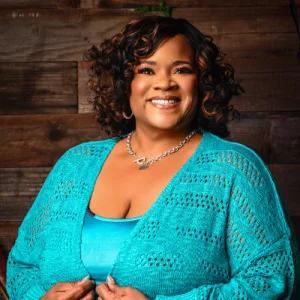
About the Author
Lisa Jeanne Foster
Licensed Mortgage Professional at Homeowners Financial Group USA, LLC · NMLS #461656
30+ years of mortgage experience, one mission: leaving families better than I found them. I combine experience, strategy and creative solutions to make homeownership possible—even when the path isn’t simple.
Specializes in: FHA
VA
Loans with Down Payment Resources
Licensed in: CA, IL, NV
Related Posts


