
Starting a new job while planning to buy a home can raise questions about whether…

Changing Loan Programs: What Buyers Need to Know
Being told your current loan structure doesn’t work can leave you wondering whether changing loan programs would actually change the answer.
Changing loan programs means replacing one mortgage structure with another, which may create a responsible path forward when different guidelines better match your documented financial situation, but it requires a fresh review and does not guarantee approval.
I’m Lisa Jeanne Foster (NMLS# 461656), and in this guide I’ll explain when a program change may make sense, what gets reviewed again and what to expect next.
Key Takeaways
- Purpose: A program change may make sense when another loan type treats your credit, income, property or available funds differently.
- Qualification: The new program requires its own review of your income, assets, credit, debts and property.
- Tradeoffs: A different approval path may also change your payment, mortgage insurance, cash to close or documentation requirements.
- Timing: Changing programs can affect underwriting, the appraisal and closing dates, especially later in the purchase process.
Quick Answers About Changing Loan Programs
- Can a different loan program change the outcome? It may. FHA, VA, conventional and other programs do not evaluate every part of a file the same way.
- Is changing lenders the same as changing programs? No. You may change programs with the same lender, change lenders while keeping the same program or change both.
- Will my documents be reviewed again? Yes. The new program must be evaluated under its own current guidelines and underwriting requirements.
- Will changing programs lower my payment? Not necessarily. The rate, mortgage insurance, loan amount, term and financed fees can all affect the payment.
After more than 30 years in mortgage lending, I’ve learned that a loan file needs to be reviewed as a whole. I work with first-time and repeat buyers, veterans, self-employed borrowers and people seeking a second look through Homeowners Financial Group USA, LLC.
A different program isn’t automatically the answer. Sometimes the original program still makes sense, but the file needs additional documentation or a different structure. Other times, a program change addresses the specific guideline that caused the first loan structure not to work.
Why Changing Loan Programs Can Make a Difference
Mortgage programs have different rules because they are built differently. They may evaluate credit history, debt, income, cash reserves, property condition and mortgage insurance in different ways.
For example, an FHA loan may allow flexibility in an area where conventional financing does not. A VA loan may provide a different structure for an eligible veteran or service member. Conventional financing may make more sense when the borrower’s profile and long-term mortgage insurance considerations support it.
The important question isn’t whether one program is generally easier than another. The question is whether its guidelines fit your documented scenario.
That distinction matters. A program should not be selected based on assumptions about the buyer. It should be evaluated based on eligibility, the numbers and what the buyer wants the financing to do.
What I Review Before Recommending a Program Change
When someone asks me for a second look, I don’t begin by moving the file into a different program. I begin with the reason the current structure isn’t working.
“Let’s look at the whole picture.” That includes the following:
- The exact guideline or documentation issue affecting the file
- How income was calculated and whether all eligible income was considered correctly
- Current debts and the resulting debt-to-income ratio
- Credit history and any program-specific credit requirements
- Available funds, reserves and eligible homebuyer resources
- The property type, occupancy and appraisal status
- The proposed payment and total cash needed to close
- The purchase contract and remaining timeline
A prior decision may have been based on a program rule that another loan type handles differently. It may also have been based on missing documents, an income calculation or a property issue that changing programs won’t solve.
A second look should identify the actual issue before anyone assumes a new program will address it.
How FHA, VA and Conventional Programs Differ
The following comparison gives you a starting point. Guidelines change, and the details still need to be reviewed for your individual file.
| Program | What May Be Different | What to Review |
|---|---|---|
| FHA financing | Credit and debt guidelines may offer flexibility in some scenarios. Manual underwriting may be available when program requirements are met. | Upfront and ongoing mortgage insurance, property standards, loan limits and cash-to-close requirements. |
| VA financing | Eligible borrowers may finance a primary residence without a required down payment, subject to entitlement, qualification and program rules. | VA eligibility, entitlement, residual income, property requirements and the funding fee unless an exemption applies. |
| Conventional financing | Mortgage insurance and pricing are often more sensitive to credit, down payment and property type. | Automated underwriting findings, private mortgage insurance, conforming loan limits and reserve requirements. |
A buyer may meet the basic requirements for more than one program. That doesn’t mean the programs produce the same payment or require the same amount of money at closing.
This is where I want to slow the conversation down. “Here’s what the numbers actually look like.” We need to compare the full structure, not just whether an underwriting system returns an acceptable result.
What Can Change When You Switch Programs?
Your monthly payment
A different program may change the interest rate, mortgage insurance, financed fees and loan amount. Even if the new structure requires less money upfront, the monthly payment could be higher. The reverse can also be true.
Getting a different underwriting result is only one part of the comparison. The payment still needs to make sense for your budget.
Your cash to close
The down payment requirement may change, along with allowable credits and reserve requirements. FHA allows a minimum down payment of 3.5% for qualifying borrowers. Some conventional options begin at 3%, while eligible VA borrowers may have a 0% down payment option.
Those are program minimums, not a recommendation for every buyer. Your actual requirement depends on the full scenario and current guidelines.
Eligible grants, homebuyer programs and other low down payment purchase options may also have their own rules. A resource available with one program may not be available with another.
Your mortgage insurance or funding fee
FHA, VA and conventional loans handle these costs differently. FHA commonly includes upfront and annual mortgage insurance. VA loans may include a funding fee unless the borrower qualifies for an exemption. Conventional loans may require private mortgage insurance based on the down payment and other factors.
These costs can be paid or financed differently depending on the program. I compare both the amount due at closing and the longer-term effect on the payment.
Your appraisal
An appraisal ordered for one program may not automatically work for another. FHA and VA appraisals have program-specific requirements, while conventional financing follows a different process.
Depending on where you are in the transaction, a new appraisal or additional review may be required. That can add time and cost, so this needs to be discussed before changing the loan structure.
Your closing timeline
A program change may send the file back through disclosures, processing and underwriting. Income may need to be recalculated. New documents may be requested. The appraisal and title work may also need review.
Closing dates are never something I want to assume. The lender, buyer, real estate professionals and other parties may need to coordinate an updated timeline.
When Changing Programs May Not Solve the Issue
There are situations where moving from one program to another doesn’t address the underlying concern. Examples may include:
- Income that cannot be documented under the proposed program
- Debts that still result in ratios outside applicable guidelines
- Insufficient eligible funds for the revised cash-to-close requirement
- A property that does not meet the new program’s requirements
- An appraisal value that does not support the purchase structure
- Eligibility requirements that have not been met
In that situation, I’ll be direct about what I see. A useful second look should give you an explanation, not just another answer.
Sometimes the next step is gathering additional documentation. Sometimes it is adjusting the purchase price or financing structure. In other cases, more time is needed to establish income history, reduce an obligation or build the funds required for closing.
“If today isn’t the day, let’s figure out what needs to happen to get you ready.” A clear plan is more useful than repeatedly submitting the same file without addressing the reason it isn’t working.
How Resource Layering Fits Into the Decision
Changing loan programs is not the only way to restructure a mortgage. I also look at eligible resources that may be used together as part of the financing strategy.
Resource layering means evaluating multiple eligible programs, credits and sources of funds together before deciding how to structure the loan.
That could include an available homebuyer program, eligible gift funds, seller contributions or other permitted resources. Availability, funding and eligibility vary, and no resource should be assumed until it has been verified.
The goal is to understand how each piece affects the loan. A resource may reduce the amount of the buyer’s own funds used at closing, but it could also affect the rate, payment, loan type or timeline. That tradeoff needs to be clear.
Steps to Take Before Changing Loan Programs
- Ask for the specific reason the current structure isn’t working. You need more than a general answer. Find out which guideline, calculation or document is affecting the file.
- Confirm your priorities. Decide what matters most: payment, cash to close, timeline, reserves or another part of the structure.
- Compare complete loan scenarios. Review the loan amount, estimated payment, mortgage insurance, available resources and cash needed at closing.
- Check the property and appraisal requirements. Confirm whether the existing appraisal can be used and whether the property meets the new program’s standards.
- Review the timeline with everyone involved. A revised program may require new disclosures, underwriting and appraisal work.
- Verify current guidelines. Program rules, loan limits, rates, fees and resource availability can change.
For buyers in Las Vegas, Henderson, North Las Vegas, Spring Valley and Paradise, local program availability may be part of the review. The property location can affect loan limits and the resources that may be available, but qualification still depends on the complete file.
Let’s Review What Changed and Why
If you’re seeking a second look, bring the documents you already provided, any written explanation you received and the current loan estimate if one was issued. I can review the structure, compare available options and explain what would need to change under a different program.
You can call, text or email me to discuss your scenario and pre-approval planning. I’ll tell you what I see, what needs to be verified and what the next steps may look like.
Frequently Asked Questions
Can I change loan programs after the appraisal has been ordered?
You may be able to change programs, but the existing appraisal may need to be reviewed, updated or replaced. The answer depends on the original program, the new program, the appraisal status and current lender requirements.
How does switching from FHA to conventional affect mortgage insurance?
FHA and conventional loans use different mortgage insurance structures. Conventional private mortgage insurance is generally based on factors such as credit, down payment and loan terms, while FHA mortgage insurance follows FHA requirements, so the full monthly and upfront costs should be compared.
Can a VA-eligible buyer switch to another program during a purchase?
Yes, a VA-eligible buyer may consider another loan program if the alternative is available and the buyer meets its requirements. The financing terms in the purchase contract, appraisal status, payment, cash to close and closing timeline should all be reviewed before making that change.
Can manual underwriting be considered during a second-look review?
Manual underwriting may be available for certain programs and scenarios when applicable requirements are met. It involves a detailed review of income, debts, credit history, reserves and other factors, and it does not mean that program guidelines are waived.
Will a homebuyer resource transfer to the new loan program?
Not always. Each resource may have its own approved loan types, income limits, property rules, funding requirements and availability, so eligibility must be checked again when the mortgage program changes.
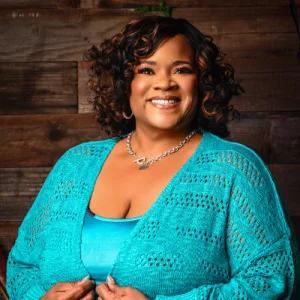
About the Author
Lisa Jeanne Foster
Licensed Mortgage Professional at Homeowners Financial Group USA, LLC · NMLS #461656
30+ years of mortgage experience, one mission: leaving families better than I found them. I combine experience, strategy and creative solutions to make homeownership possible—even when the path isn’t simple.
Specializes in: FHA
VA
Loans with Down Payment Resources
Licensed in: CA, IL, NV
Related Posts


