Introduction With the Independence Day holiday just around the corner, many homeowners are considering home…

Second Look Mortgages: Options for Buyers Reconsidering Their Home Loan in Nevada
Maybe you applied for a mortgage and the answer you got wasn’t what you expected, or it simply didn’t feel right for where you’re headed. A “second look” mortgage means having a licensed mortgage professional review your scenario – credit, income, resources and goals – to help you understand if other options are available or if your plan could be structured differently. In this article, we’ll look at why a second review matters, how the process works, and what options buyers often overlook in and around Las Vegas and Nevada as a whole.
Key Takeaways
- Purpose: A second look mortgage review explores if other loan options, resources, or strategies could help you buy a home or improve your approval scenario.
- Eligibility: Open to buyers who’ve been declined, received an approval that doesn’t fit, or want to compare options before moving forward.
- What’s Reviewed: Credit, income, assets, homeownership goals, and available resources like programs or layered assistance.
- Best For: First-time buyers, anyone seeking clarity after a denial, VA-eligible buyers, or those who want to strategically structure their financing in Nevada.
Quick Answers: Second Look Mortgage FAQs
- Can I get a second opinion after being declined for a home loan?
Yes, having another licensed professional review your application, documentation, and scenario can often surface different options or strategies that weren’t discussed before. - Is getting a second look only for buyers who were declined?
No, sometimes buyers want a second review because the terms, payment, or structure of an approval don’t feel right for their goals, even if they were approved. - Will a second look affect my credit?
If you’re seeking another pre-approval, there may be another credit inquiry. However, mortgage inquiries within a short window are usually treated as one for credit scoring purposes. - What alternative loan programs might be suggested in a second look?
Options could include FHA, VA, low down payment programs, or resource layering strategies combining grants or assistance, depending on your scenario and goals. - Do I need to bring all my paperwork again?
Typically, yes—you’ll want to have your income, asset, and credit documentation available so your new lender can fully review and discuss the details.
Why Get a Second Look at Your Home Loan?
Over my 35 years in lending, I’ve seen more buyers than I can count convinced that “no” was their final answer, only to discover a new path with a little more information, or sometimes just a fresh perspective. At Lisa Jeanne Foster (NMLS# 461656), my conversations usually start with, “What are your priorities? Tell me what you’re trying to accomplish.” Sometimes what makes all the difference isn’t just a different loan program, but a different way of looking at the numbers and resources you have available. Maybe you’re wondering if FHA is smarter than conventional for where your credit stands, if you missed an assistance program, or if there’s a way to adjust your payment structure. The point of a second look is to pause and set the strategy that actually lines up with your bigger plans, not just what a system spits out.
Who Might Benefit from a Second Look?
- You were told no, but didn’t get a satisfying explanation.
- Your pre-approval works, but you’re nervous about the monthly payment, cash required, or one part of the loan terms.
- You’re eligible for special programs (like VA), or want to layer resources, but those options weren’t discussed in detail.
- Your situation changed—maybe a new job, additional savings, or debt paid off—since your last review.
- You just want to compare options before making a commitment.
From Las Vegas, to Clark County, all the way out to California and Illinois, it’s common for buyers to want clarity and straight answers. Second look reviews aren’t about proving one lender “wrong”—they’re about making sure your options fit the whole picture of what you want your home and your finances to do for you.
What Actually Happens During a Second Look?
Let me break down what I mean by a second look review. When someone calls to discuss their scenario, my first question is, “What is your biggest concern or fear?” I want to make sure you understand why one structure was suggested over another, what the numbers actually look like, and how we might look at the resources available to you differently. Sometimes that means:
- Re-examining your credit, income, or asset documentation (especially if there was a mistake or missing item)
- Running alternative programs side by side (FHA vs. conventional, or exploring VA loan eligibility if you’re a veteran)
- Discussing down payment options—including grants, layered assistance, or sometimes even using less of your own cash, not more
- Evaluating your comfort with payment or cash-to-close—not just focusing on “what’s approved” but “what actually makes sense” for your life
- Checking whether other low down payment programs or strategies could boost your buying power
Sometimes we find that nothing can be changed today, but that doesn’t mean the door closes. If there’s a responsible path forward, I’m going to look for it—and, if not, you’ll know exactly what you need to work on for next time, without any guesswork.
Common Second Look Scenarios
1. Was Declined, but Application Was Incomplete or Factors Missed
This can be as simple as a missing pay stub, or information misunderstood in the first review. Maybe a lender overlooked commission, self-employed or seasonal income, or didn’t ask about additional resources like potential gift funds or employer assistance. Let me take a second look before you walk away.
2. Pre-Approval Doesn’t Match Your Comfort Zone
You might get approved, but the payment, cash at closing, or even the mortgage insurance component makes you pause. Instead of forcing it, let’s look at another way to structure this—maybe that means a conventional program with a seller-paid buydown, or an FHA program with layered assistance. Here’s where we weigh out, “How much of your own money are you comfortable using?”
3. VA Eligibility Wasn’t Fully Explored
For veterans and active duty buyers, it’s not uncommon to discover VA eligibility wasn’t considered—sometimes because it wasn’t disclosed, or the right documentation wasn’t provided. VA home loans are powerful tools, but the key is to make sure you understand your options before making the decision. If you’re eligible, I’ll walk through potential savings, strategic resource use, and guidelines specific to the VA loan program for your scenario. Learn more about the VA Home Loan process.
4. Wanting to Layer Resources or Grants, But Was Told No
Program eligibility changes constantly—income limits shift, grant funds come and go. Sometimes lenders may only be familiar with one set of options. I call this resource layering: looking at what resources can be strategically layered together, and what makes sense to use now versus what to reserve for future needs.
What Documents or Information Should I Have Ready?
- Last 30 days’ pay stubs (or proof of other income)
- Most recent W-2s or tax returns (if self-employed, 1099, investment income, etc.)
- Bank statements or retirement account summaries for asset verification
- Photo ID and (if applicable) DD-214 or Certificate of Eligibility for VA loans
- Any letters or documentation from previous loan attempts
The more complete and accurate your documentation, the more informed the conversation can be. If something doesn’t make sense in your paperwork, I’ll explain why it matters or what’s relevant to the next step.
Comparing Loan Types: What Could I Be Missing?
| Loan Type | Typical Uses/Benefits | Common Concerns |
|---|---|---|
| FHA | Lower minimum down payment, flexible on credit history, can pair with down payment assistance | Requires mortgage insurance premium (MIP), loan limits apply |
| VA | No down payment for eligible veterans/service members, no monthly mortgage insurance | Must have VA eligibility, funding fee may apply |
| Conventional | Often suits buyers with higher credit scores and flexible down payment sources | May require private mortgage insurance (PMI) if under 20% down; guidelines can vary |
| Resource Layered | Combines loans, grants, assistance or employer benefits for flexible solutions | Not all programs always available; eligibility can change |
The point isn’t to fit you into one box. It’s to look at the whole picture—including the resources available to you—and see what option gets you closest to what you want your payment, cash flow, and homeownership strategy to actually look like.
How to Start the Second Look Process in Nevada
Starting is easy—just reach out and let’s have a direct conversation. I want you to leave the call knowing exactly where you stand, what your options look like (and why), and what needs to happen next. I’m licensed in Nevada, California, and Illinois, working with buyers all over Las Vegas, Clark County, Henderson, as well as Chicago and Los Angeles metro areas. Sometimes I get asked what I need from you—honestly, just your honest questions and as much info as you’re willing to share. If today isn’t the day, let’s figure out what needs to happen to get you ready. My job isn’t just to get you a mortgage. I want you to feel comfortable with the decision you’re making, and to leave families better than I found them.
Ready to Compare Your Options? Let’s Take a Second Look.
If you want to review your home loan options, get a strategic second opinion, or just make sure you’re making the most of what’s available, let’s connect. You can call, text, or email me directly. We’ll talk through your goals, review the numbers, and make sure the path you’re on makes sense for where you want to go. If pre-approval or planning is on your mind, I’m happy to outline the steps so you always know what happens next.
This content is for educational purposes only and is not financial advice. Loan programs, eligibility requirements and guidelines are subject to change. Talk with a licensed mortgage professional about your specific scenario.
Frequently Asked Questions
How does “resource layering” work with a second look review?
Resource layering means looking at every source of potential assistance or program eligibility—grants, employer homebuyer benefits, local programs, or layered down payment strategies—and determining the most effective way to combine them. Not all lenders use this approach, so a second look may highlight options you didn’t know were possible.
Is there a cost or obligation to do a second look review?
Typically, there’s no cost or obligation just to have your scenario reviewed and talk through your goals and possible options. Actual loan applications or credit pulls may have costs or formal disclosures, which can be explained up front during the review call.
Can a second look help if my income is commission-based or self-employed?
Yes, income that varies or isn’t reported on traditional pay stubs is sometimes miscalculated or overlooked in initial reviews. A detailed review can often identify alternative documentation or underwriting options, such as a bank statement program or analyzing year-over-year income trends.
Are different lenders allowed to use different guidelines?
Most guidelines are set at the program level, but lenders may interpret or apply them slightly differently—especially in areas like documentation or exceptions. A second look can help clarify how flexible certain guideline points might be for your specific scenario.
How quickly can I get a second look review?
Second look reviews can often be done quickly—sometimes same day—if you have your documents ready. The depth and timing depends on the complexity of your situation and program options to explore.
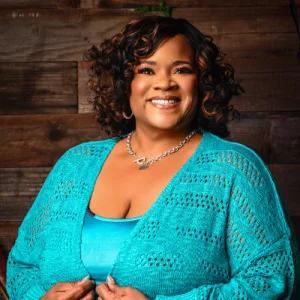
About the Author
Lisa Jeanne Foster
Licensed Mortgage Professional at Homeowners Financial Group USA, LLC · NMLS #461656
30+ years of mortgage experience, one mission: leaving families better than I found them. I combine experience, strategy and creative solutions to make homeownership possible—even when the path isn’t simple.
Specializes in: FHA
VA
Loans with Down Payment Resources
Licensed in: CA, IL, NV
Related Posts