

Second Home Loans: Conventional vs. Jumbo Options
Buying a second home can get confusing when the price, occupancy rules and cash requirements all need to work together.
A second-home mortgage finances a property you will occupy part of the year, with conventional financing generally used within conforming loan limits and jumbo financing used above those limits.
In this guide, I’ll explain how conventional and jumbo second-home loans work, what lenders commonly review and how to compare the options before you make a decision.
Key Takeaways
- Loan Type: Conventional financing typically applies within current conforming loan limits, while jumbo financing is used when the loan amount exceeds those limits.
- Occupancy: A second home is generally a property you personally occupy for part of the year and control throughout the year.
- Requirements: Lenders commonly review income, credit, existing housing expenses, cash reserves and the property’s intended use.
- Timeline: The mortgage process commonly takes several weeks, although jumbo reviews and complex income may require additional time.
- Best For: Second-home financing may fit buyers who want another property for their own periodic use and can support both housing obligations.
I’m Lisa Jeanne Foster (NMLS# 461656), an Originating Sales Manager with Homeowners Financial Group USA, LLC, based in the Las Vegas market. After more than 30 years in mortgage lending, I’ve learned that the loan amount is only one part of this conversation. The property, your income, your available cash and what you want the home to do for you all matter.
Quick Answers About Second-Home Financing
- What makes a property a second home? It is generally a one-unit property that you occupy for part of the year, keep available for your own use and do not treat primarily as a rental property.
- Can projected rental income be used to qualify? Conventional guidelines generally do not allow projected rental income from a second home to be used for qualification. Jumbo requirements vary by lender and loan program.
- How much money will I need to put down? Down payment requirements vary based on the loan type, occupancy, credit profile, property and lender guidelines. Jumbo financing may require more cash than conventional financing.
- What determines whether the loan is conventional or jumbo? The requested loan amount is compared with the current conforming loan limit for the county where the property is located. Limits can change, so current information should be verified before you structure the purchase.
What Is Considered a Second Home?
A second home is a property you intend to occupy personally for part of the year but will not use as your primary residence. That could be a property in Las Vegas, Henderson or another market where you spend time regularly. It could also be a home near work, recreation or another location that serves a clear personal purpose.
The lender will want to understand how you plan to use the property. Common second-home guidelines may require that the home:
- Be a one-unit residence
- Be suitable for occupancy during the appropriate part of the year
- Remain under your control
- Not be part of a timeshare arrangement
- Not be subject to an agreement that gives a management company control over occupancy
- Not function primarily as an investment property
Occasional rental activity may be allowed under some guidelines, but that does not automatically make the property eligible as a second home. The frequency of rentals, management arrangement, rental income and your access to the property may all be reviewed.
If rental income is a major part of your plan, an investment property loan may need to be evaluated instead. The right classification depends on what you are actually trying to accomplish, not simply which option has more favorable terms.
Conventional vs. Jumbo Second-Home Loans
The difference starts with the loan amount, but it doesn’t end there. A conventional conforming loan follows the applicable agency guidelines and stays within current county loan limits. A jumbo home loan exceeds the applicable conforming limit and is reviewed under the lender’s jumbo guidelines.
| Consideration | Conventional Second Home | Jumbo Second Home |
|---|---|---|
| Loan amount | Within the current county conforming limit | Above the current county conforming limit |
| Guidelines | Generally follows agency eligibility requirements | Varies by lender and jumbo program |
| Cash reserves | May be required based on the overall file | Often receives closer review and may require more reserves |
| Income review | Standard documentation based on income type | May include additional documentation or lender-specific calculations |
| Property review | An appraisal is generally required | An appraisal is generally required, and some scenarios may require added review |
As of 2026, conforming limits and lender requirements remain subject to change. The county, property type and exact loan amount need to be checked when you are ready to run the numbers.
How Lenders Evaluate a Second-Home Purchase
With a primary residence, the new home usually replaces your current housing expense. With a second home, you are generally adding another mortgage payment, property taxes, insurance and possibly homeowners association dues.
The lender typically evaluates whether your qualifying income can support your current obligations and the complete proposed payment on the second home. That review may include:
- Your employment and income history
- Current mortgage or rent obligations
- Monthly debts appearing on your credit report
- Property taxes and homeowners insurance
- Homeowners association dues, when applicable
- Funds needed for the down payment and closing costs
- Assets remaining after closing
Self-employed, commissioned and 1099 income may require additional analysis. That doesn’t mean the income cannot be considered. It means the lender may need tax returns, business records or other documentation to determine what income can be used under the applicable guidelines.
Why Cash Reserves Matter
Cash reserves are funds you still have available after the down payment and closing costs have been paid. Lenders commonly measure reserves in months of qualifying housing payments.
Reserve requirements vary. They may be affected by the number of financed properties you own, the loan amount, the down payment, your credit profile and the specific conventional or jumbo program.
This is where I want to look beyond the amount needed to close. Just because you have the money doesn’t always mean you should use all of it. We need to look at what should remain available for maintenance, furnishings, travel, unexpected repairs and your other financial priorities.
Look at the Complete Cost, Not Just the Mortgage
Getting approved is one part of the conversation. Making sure the numbers make sense is another.
A second home can create expenses that are not fully reflected in the mortgage payment. Before deciding how much to put down, I would look at:
- Principal and interest
- Property taxes
- Homeowners insurance and any location-specific coverage
- Homeowners association dues
- Utilities and routine maintenance
- Travel between the two properties
- Repairs, furnishings and property management needs
A fixed-rate mortgage can provide a principal and interest payment that does not change over the loan term, although taxes, insurance and association dues can still change. Other loan structures may also be available depending on the property, loan amount and your qualifications.
Can FHA or VA Financing Be Used for a Second Home?
FHA and VA loans are generally intended for primary residences, not properties purchased strictly as second homes. Occupancy rules are a central part of both programs.
There can be situations involving a change in employment, relocation or another legitimate occupancy circumstance where the full picture needs to be reviewed. That is different from buying a vacation property or another residence for periodic use. The intended occupancy has to be represented accurately from the beginning.
Documents to Prepare Before Applying
The documentation will vary based on how you earn income and which loan program you use. A lender will commonly request:
- Recent income documentation
- Bank, investment and retirement account statements
- Federal tax returns when required for the income analysis
- Information about your current residence and mortgage
- Documentation for other real estate you own
- Purchase contract and property details once you are under contract
- Explanations or supporting records for large deposits when required
Jumbo financing may involve more documentation because the lender is applying its own program standards. If assets are spread across several accounts or income comes from more than one source, organizing that information early can make the review more efficient.
How to Decide Which Structure Makes Sense
I would start with one question: “What’s most important to you?” The answer may be keeping more money available, reducing the monthly payment, limiting the loan amount or purchasing a property at a specific price.
From there, we can compare:
- The loan amount. Is it within the current conforming limit or does it require jumbo financing?
- The full monthly obligation. What do the mortgage, taxes, insurance and association dues look like together?
- The cash needed at closing. How much will be used for the down payment, costs and prepaid expenses?
- The reserves remaining afterward. What will still be available once the purchase is complete?
- The occupancy plan. Will the property truly be used as a second home under the applicable guidelines?
A larger down payment may change the payment and loan structure, but it also uses more of your available cash. A smaller loan amount may remain conventional, while a higher amount may move the financing into jumbo guidelines. Here’s what the numbers actually look like is the conversation I want to have before you commit to one structure.
Review Your Second-Home Plan Before You Shop
If you are considering a second home in Las Vegas, Henderson, North Las Vegas, Spring Valley or Paradise, I invite you to call, text or email me. We can review your income, current housing obligations, available assets and intended use of the property.
I’ll be straightforward with you about what the guidelines require, what documents we need and what the next step should be. Pre-approval planning can also give you a clearer price range and show whether conventional or jumbo financing fits the scenario before you write an offer.
Frequently Asked Questions
Do second-home loans require cash reserves?
Cash reserves are commonly required, but the amount varies by loan program, loan size, property count and overall qualifications. Jumbo lenders may apply additional reserve requirements, so I would verify the applicable guidelines before deciding how much cash to use at closing.
Can gift funds be used to buy a second home?
Gift funds may be allowed under some conventional and jumbo programs, but source, documentation and borrower contribution rules can differ. The gift should be reviewed before funds are transferred because the lender may require a gift letter and proof of transfer.
Can I convert my second home into a rental later?
Your circumstances may change after the purchase, but your occupancy intention at closing must be accurate and supported by the facts at that time. Before changing the property’s use, review your loan documents, insurance coverage, local requirements and possible tax considerations with the appropriate professionals.
Will owning other financed properties affect the application?
It can affect the review because lenders consider the payments, income and reserves connected with other real estate. Conventional and jumbo programs may also have different requirements based on the number of financed properties you own.
How long does a second-home mortgage take to close?
A second-home mortgage commonly takes several weeks, but the timing depends on documentation, appraisal completion, title work and underwriting review. Jumbo loans, complex income or property-specific questions may add time, so setting expectations early matters.
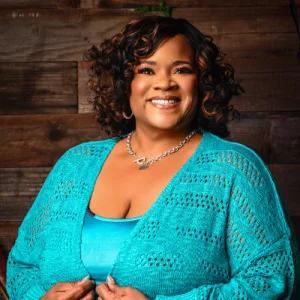
Lisa Jeanne Foster
30+ years of mortgage experience, one mission: leaving families better than I found them. I combine experience, strategy and creative solutions to make homeownership possible—even when the path isn’t simple.
Related Posts

