Low Down Payment Mortgages: Compare Your Options
Buying in Las Vegas with less cash upfront can raise a lot of questions about payments, mortgage insurance and what you’ll actually need at closing.
A low down payment mortgage lets an eligible buyer finance a home with a smaller initial down payment, but the right option depends on eligibility, monthly cost, cash to close and long-term plans.
In this guide, I’ll explain how I compare conventional, FHA, VA and available homebuyer resources so you can understand what the numbers and tradeoffs look like.
Key Takeaways
- Down Payment: Some conventional loans allow as little as 3% down, FHA starts at 3.5% for eligible borrowers and VA may offer 0% down for qualified borrowers.
- Total Cost: The smallest down payment does not automatically produce the lowest monthly payment or lowest overall cost.
- Resources: Eligible homebuyer programs, grants, seller credits and other resources may be evaluated alongside the first mortgage.
- Common Fit: Low down payment options may work for buyers who want to keep more of their own funds available, subject to program and underwriting requirements.
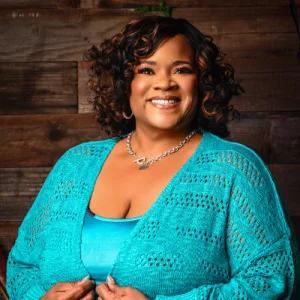
I’m Lisa Jeanne Foster (NMLS# 461656), an Originating Sales Manager with Homeowners Financial Group USA, LLC, based in the Las Vegas market. I entered lending because I saw how the right home and financing structure could create stability, additional income opportunities and room for a household’s plans to grow.
Quick Answers About Low Down Payment Mortgages
- What is the lowest down payment available? Some conventional programs start at 3%, FHA starts at 3.5% and eligible VA borrowers may have a 0% down payment option.
- Does a smaller down payment always mean a higher payment? Often, but not always. The loan amount, mortgage insurance, interest rate, property taxes, homeowners insurance and loan structure all affect the payment.
- Can homebuyer resources be combined with a mortgage? Sometimes. Each resource has its own eligibility rules, funding limits and requirements for the first mortgage.
- Should I choose a loan program before getting pre-approved? Not necessarily. It is usually more useful to compare eligible programs during pre-approval planning based on your income, credit, available funds and priorities.
What Counts as a Low Down Payment Mortgage?
A low down payment mortgage generally allows a buyer to purchase a primary residence with less than the traditional 20% down payment. That may include certain conventional loans, FHA financing, VA financing and a first mortgage used with an eligible homebuyer resource.
A lower down payment can reduce the amount of your own money needed upfront. It can also increase the loan balance and may add mortgage insurance or program-specific fees. That’s why I don’t compare these options based only on the minimum down payment.
Getting approved is one part of the conversation. Making sure the numbers make sense is another.
How Conventional, FHA and VA Options Compare
The three options I compare most often are conventional, FHA and VA financing. Each one handles down payments, mortgage insurance and eligibility differently.
| Loan Type | Down Payment | Mortgage Insurance or Fee | Important Considerations |
|---|---|---|---|
| Conventional | As little as 3% for certain eligible borrowers and programs | Private mortgage insurance commonly applies with less than 20% down | Pricing and mortgage insurance are affected by credit, down payment, occupancy and other factors |
| FHA | 3.5% for eligible borrowers who meet applicable guidelines | Includes upfront and annual mortgage insurance | Credit, debt ratios, property condition and other underwriting requirements apply |
| VA | May allow 0% down for an eligible borrower | No monthly mortgage insurance; a VA funding fee may apply unless the borrower is exempt | VA eligibility, entitlement, occupancy, underwriting and property requirements apply |
These are general comparisons as of 2026. Rates, fees, mortgage insurance, loan limits and underwriting requirements can change, so current information needs to be verified for the specific property and borrower.
Conventional Loans With 3% Down
Certain conventional programs allow qualified buyers to put as little as 3% down on a primary residence. Income limits, first-time homebuyer definitions or homebuyer education may apply to some programs, while other conventional options have different eligibility rules.
Private mortgage insurance is commonly required when the down payment is below 20%. The cost varies based on credit, loan-to-value ratio and other factors. Depending on the loan and applicable rules, that insurance may be eligible for cancellation later.
FHA Loans With 3.5% Down
An FHA home loan may allow a 3.5% down payment when the borrower meets applicable credit and underwriting requirements. FHA can also allow manual underwriting in some circumstances, but that does not mean every scenario will qualify.
FHA includes upfront and annual mortgage insurance. Because that insurance is structured differently from conventional private mortgage insurance, I compare both the initial cash requirement and the longer-term monthly cost.
VA Loans With No Required Down Payment
A VA home loan may allow eligible veterans, active-duty service members and certain surviving spouses to purchase with no required down payment. The borrower still needs to meet VA and lender underwriting requirements, and closing costs or prepaid expenses may remain.
VA financing does not include monthly mortgage insurance. A funding fee may apply unless the borrower qualifies for an exemption. Entitlement, the purchase price and the appraisal can also affect how the loan is structured.
How I Compare Low Down Payment Options
1. I Start With the Payment You Want
One of the first questions I ask is, “What do you want your payment to look like?” A buyer may qualify for a certain amount, but that does not tell me whether the payment fits the rest of the household budget.
I look at principal and interest, property taxes, homeowners insurance, mortgage insurance and any homeowners association dues. In Las Vegas, Henderson, North Las Vegas, Spring Valley and Paradise, those property-specific costs can change the monthly picture.
2. I Review How Much Cash You Want to Use
The minimum down payment is not the same as total cash to close. Cash to close can include the down payment, lender and third-party closing costs, prepaid interest, property taxes, homeowners insurance and initial escrow deposits. Earnest money, seller credits and eligible resources may reduce what remains due at closing.
Just because a buyer has additional funds does not automatically mean using all of them is the right structure. I want to understand how much cash needs to remain available after closing and whether there are repairs, moving expenses or other planned costs.
3. I Compare the Full Monthly and Upfront Cost
A loan with the lowest required down payment may have a larger balance, more mortgage insurance or different upfront fees. Another option may require more cash initially but produce a different monthly cost.
The useful comparison is not just down payment versus down payment. It is cash to close, monthly payment, mortgage insurance structure, rate, fees and how long you expect to keep the financing.
4. I Look at Available Resources
Some buyers may be eligible for grants, homebuyer programs or other low down payment purchase options. Availability can depend on income, property location, occupancy, purchase price, funding and the first mortgage being used.
I call the process of evaluating multiple eligible options resource layering. That could mean comparing a homebuyer resource with seller credits or reviewing whether using more or less of your own money changes the overall structure.
Resources can come with repayment terms, deferred balances, occupancy requirements or other conditions. They should be reviewed carefully rather than treated as interchangeable.
5. I Check the Property and Underwriting Fit
The buyer is only one part of the approval. The property also needs to meet the requirements of the selected program.
Condominium eligibility, appraisal findings, property condition, occupancy and loan limits may affect which options are available. A structure that works for one Las Vegas property may not work the same way for another property at the same price.
Why the Smallest Down Payment Is Not Always the Right Comparison
There are situations where putting down the minimum makes sense. There are also situations where using a little more cash may change mortgage insurance, loan pricing or the payment enough to be worth reviewing.
The answer depends on your priorities. Are you focused on keeping cash available? Reducing the monthly payment? Limiting mortgage insurance? Comparing a resource with a standard first mortgage? Planning to keep the home for a shorter or longer period?
Let’s look at the whole picture. I want you to see what changes when the down payment, loan type or use of resources changes. Then you can make the decision with the actual tradeoffs in front of you.
Documents That Make the Comparison More Accurate
A useful comparison starts with accurate information. The documentation needed varies, but I commonly review:
- Recent income documentation, such as pay statements or applicable business records
- Bank, retirement or investment statements showing available funds
- Employment and income history
- Current housing expenses and recurring monthly debts
- VA eligibility documents when VA financing is being considered
- Information about expected gifts, grants or other eligible resources
- Property details once a specific home is identified
Self-employed, commissioned and 1099 income may require additional analysis. Providing complete documentation early can show which programs are realistic and what still needs to be addressed before making an offer.
When a Second Look May Be Useful
A previous decline does not explain whether another loan structure, different documentation or a manual underwriting review may be available. It also does not mean another lender can override the applicable rules.
What I can do is review how the income was calculated, how the debts were counted, which program was used and whether eligible resources were considered. Sometimes the answer remains the same. Other times, there may be another responsible way to structure the financing or a clear plan for what needs to happen next.
Review Your Options Before You Choose a Program
If you’re buying in the Las Vegas area, call, text or email me to review your scenario, compare low down payment options and understand the next steps. During pre-approval planning, I can show you how the payment, cash to close and program requirements change under different structures.
I’ll be straightforward about what the numbers show, what documentation is needed and what may or may not fit the applicable guidelines. The goal is to understand your options before you make the decision.
Frequently Asked Questions
Can I use a low down payment mortgage to buy a condominium?
Possibly, but the borrower, unit and condominium project may all need to meet the selected program’s requirements. Project reviews, insurance, owner occupancy, financial condition and other factors can affect conventional, FHA and VA eligibility.
Can the seller pay closing costs on a low down payment loan?
Seller credits may be allowed, but the limit and permitted uses depend on the loan program, occupancy, down payment and other details. The credit also needs to be included in the purchase agreement and supported by the transaction’s final costs.
Can manual underwriting be considered after an automated underwriting decline?
Some loan programs permit manual underwriting when specific requirements are met. The review may include payment history, reserves, debt ratios and compensating factors, and it does not guarantee approval.
Can self-employed income be used with a low down payment mortgage?
Self-employed income may be eligible, but it usually requires analysis of tax returns, business income, expenses and the stability of earnings. Documentation and calculation methods vary by program and scenario.
How early should I begin pre-approval planning?
Starting before you are ready to make an offer creates time to review documents, compare programs and identify any issues that need attention. The appropriate timeline varies, but an early review can provide clearer expectations for payment, cash to close and next steps.
Lisa Jeanne Foster
30+ years of mortgage experience, one mission: leaving families better than I found them. I combine experience, strategy and creative solutions to make homeownership possible—even when the path isn’t simple.
Related Posts