Understanding the Timing of a September Move As we approach Labor Day, many prospective homebuyers…

How Much Cash Do I Need to Buy a Las Vegas Home With a Jumbo Loan?
Buying a higher-priced home in Las Vegas can raise a basic question that doesn’t always have a basic answer: how much cash will you actually need?
The cash needed for a jumbo loan generally includes your down payment, closing costs, prepaid expenses and required financial reserves, with the exact amount determined by the loan size, property and investor guidelines.
In this guide, I’ll explain each part of that calculation, what may count toward your reserves and what to review before you make an offer.
Key Takeaways
- Cash Needed: Plan for the down payment, closing costs, prepaid expenses and any appraisal gap, plus separate reserves that remain after closing.
- Down Payment: Jumbo loan down payment requirements vary by loan amount, credit profile, occupancy and property type.
- Reserves: Jumbo investors commonly require several months of housing payments in verified eligible assets after the purchase closes.
- Timing: Review your available funds before making an offer because sourcing assets and completing the appraisal review can take time.
Quick Answers
- Is the down payment the only cash I need? No. You may also need funds for closing costs, prepaid expenses, deposits and any difference between the price and appraised value.
- Can gift funds be used with a jumbo loan? Sometimes. The answer depends on the specific investor’s rules, your contribution and how the gift is documented.
- Do I spend my reserves at closing? No. Reserves are eligible assets you generally must still have available after the transaction closes.
- Can a seller contribute toward my closing costs? Seller contributions may be permitted, but the amount and eligible expenses depend on the jumbo program and terms of the transaction.
I’m Lisa Jeanne Foster (NMLS# 461656), an Originating Sales Manager with Homeowners Financial Group based in the Las Vegas market. After more than 30 years in mortgage lending, I’ve learned that the cash conversation needs to happen before a buyer focuses on a single loan structure.
A jumbo loan has more moving parts than simply choosing a down payment. Let’s look at the whole picture.
What Counts as Cash Needed for a Jumbo Loan?
A jumbo loan is a mortgage that exceeds the current conforming loan limit for the property’s county or otherwise falls outside standard agency financing guidelines. Conforming limits change, so the current limit for a property in Las Vegas, Henderson, North Las Vegas, Spring Valley or Paradise should be verified when you apply.
Your total cash planning usually includes five separate categories:
- Down payment
- Closing costs
- Prepaid expenses
- Any appraisal gap
- Post-closing reserves
These categories aren’t interchangeable. Funds needed to close leave your account as part of the purchase. Reserves generally remain in eligible accounts after closing, but the lender verifies that they’re available.
How Jumbo Loan Cash Requirements Are Calculated
1. Your Down Payment
There isn’t one universal jumbo down payment requirement. The amount may change based on the purchase price, requested loan amount, credit history, debt-to-income ratio, occupancy and property type.
A primary residence may be evaluated differently from a second home or investment property. A condominium can also have different property requirements than a detached home. Some jumbo investors allow a smaller down payment under certain conditions, while others require more borrower equity as the loan amount increases.
This is where I ask, “What do you want your payment to look like?” A larger down payment may reduce the loan amount and monthly payment, but it also uses more of your available cash. That tradeoff needs to be reviewed rather than assumed.
You can read more about the general structure of a jumbo home loan, but the actual down payment has to be matched to the current investor guidelines and your complete scenario.
2. Closing Costs
Closing costs are the charges associated with obtaining the mortgage and completing the real estate transaction. They can include lender charges, title and escrow services, appraisal costs, recording charges and other third-party expenses.
The exact total varies by loan amount, property and lender. Jumbo appraisals may also receive additional review, and some transactions may require more than one valuation depending on the loan amount or investor.
A seller credit may be used toward certain allowable closing costs if the contract and loan guidelines permit it. It generally can’t be used to satisfy reserve requirements or create cash back beyond eligible reimbursements.
3. Prepaid Expenses
Prepaid expenses are different from closing costs. These are amounts collected for expenses that will come due after closing, such as homeowners insurance, property taxes and prepaid interest.
The total can change based on your closing date, the property tax schedule, insurance cost and whether an escrow account is established. Two homes with the same purchase price can have different prepaid totals.
4. An Appraisal Gap
An appraisal gap is the difference between the agreed purchase price and the property’s appraised value. Mortgage financing is generally based on the lower of the purchase price or appraised value.
If the appraisal comes in below the contract price, the available choices may include renegotiating the price, challenging the valuation when supported by relevant information, changing the financing structure or bringing additional funds. None of those outcomes should be assumed before the appraisal is completed.
If you plan to offer more than the recent comparable sales appear to support, I want that risk included in the cash conversation upfront.
5. Post-Closing Reserves
Reserves are verified assets remaining after the down payment, closing costs and prepaid expenses have been accounted for. They’re often measured in months of the full housing payment, including principal, interest, property taxes, homeowners insurance and applicable association dues.
Jumbo loans commonly require more reserves than standard conforming financing. The required amount may increase with a larger loan, multiple financed properties, higher debt-to-income ratio or certain property and occupancy types.
Not every dollar shown on an account statement necessarily counts dollar for dollar. Retirement assets may be reduced for accessibility, taxes or penalties. Stock and investment accounts may be discounted for market fluctuation. Business funds can require additional analysis to determine whether withdrawing them could affect the business.
Cash to Close and Reserves Are Not the Same
| Category | What It Covers | Used at Closing? |
|---|---|---|
| Down payment | Your equity contribution toward the purchase | Yes |
| Closing costs | Loan, title, escrow, appraisal and recording expenses | Yes, unless covered by an eligible credit |
| Prepaid expenses | Taxes, insurance, interest and initial escrow funding | Yes |
| Appraisal gap | A difference between the contract price and appraised value | If the transaction proceeds without another adjustment |
| Reserves | Verified assets available after closing | No |
Your earnest money deposit is usually credited toward the amount due at closing. It isn’t normally an additional cost on top of the final cash-to-close figure, but you do need enough liquidity to provide it earlier in the purchase process.
Which Assets May Be Used?
Eligible funds may include money in checking or savings accounts, qualifying investment accounts, certain retirement assets, proceeds from the sale of another property and properly documented gifts when the program permits them.
Assets must be documented and sourced. Large or unusual deposits may require an explanation and supporting records. Moving funds between several accounts right before applying can create more paperwork because the lender may need to follow the transfer from the original account to the final account.
Funds also need to be accessible. An asset can appear strong on paper but still be unavailable for closing because of withdrawal restrictions, transfer timing or documentation requirements.
Why the Lowest Down Payment May Not Be the Right Starting Point
A smaller down payment can preserve liquidity, but it may result in a larger loan balance, a higher payment or different pricing. A larger down payment can reduce the loan amount, but it may leave less cash available after closing.
Just because you have the money doesn’t always mean you should use all of it. I want to compare the payment, cash needed and reserves under more than one structure.
Here’s what the numbers actually look like when we review a jumbo scenario:
- Purchase price and requested loan amount
- Estimated down payment
- Estimated closing costs and prepaid expenses
- Expected seller or lender credits, if applicable
- Earnest money already paid
- Required post-closing reserves
- Assets remaining after the transaction
That review can include a fixed-rate structure, an adjustable-rate option if available or a different down payment amount. Rates, fees and investor requirements change, so each comparison needs current information.
How Jumbo Underwriting Can Differ
Jumbo loans aren’t purchased under the same standard conforming framework used for many conventional mortgages. Individual investors can set their own requirements, and lenders may add overlays beyond the underlying program.
That means an income calculation, reserve requirement or property standard used by one investor may not be identical to another. Self-employed, commissioned and 1099 income can require additional analysis. Tax returns, business records, year-to-date income and evidence that the income is likely to continue may be reviewed, depending on the program.
Borrower eligibility and property eligibility are also separate. A borrower may meet the credit, income and asset requirements while the property still requires further review. Condominiums, properties with unusual features and homes at higher price points may receive additional attention.
Review Your Cash Before Making an Offer
A jumbo pre-approval review should go beyond a purchase price. I want to know where the funds are held, which accounts will be used, how much needs to remain after closing and whether any transfer or sale of assets will be required.
It also gives us time to compare a fixed-rate mortgage with other available structures and determine which guidelines apply. If the purchase is part of a broader plan, we can also review the full range of loan options without assuming that one structure fits every scenario.
If you’re considering a jumbo purchase in the Las Vegas area, call, text or email me. We can review your funds, compare available structures and identify what documentation will be needed for pre-approval planning. I’ll be straightforward with you about where things stand and what needs to happen next.
Frequently Asked Questions
What types of assets may count toward jumbo loan reserves?
Checking, savings, eligible investment accounts and certain retirement assets may count toward reserves. The investor may reduce the value of some assets for market changes, taxes, penalties or accessibility, so the account balance and the eligible reserve amount may be different.
Does a jumbo loan require a different appraisal?
A jumbo appraisal evaluates the property under the applicable investor requirements, and it may receive additional review. Depending on the loan amount, property and program, a second valuation or other supporting documentation may be required.
Can a first-time homebuyer use a jumbo loan?
First-time buyer status doesn’t automatically prevent someone from using jumbo financing. Qualification depends on the program’s credit, income, asset, reserve and property requirements, and some investors may apply additional conditions.
Can VA financing be used for a loan amount above the conforming limit?
VA-eligible borrowers may be able to finance above the conforming limit, but entitlement, lender overlays and the full loan scenario must be reviewed. VA eligibility doesn’t remove the need to meet income, credit, property and underwriting requirements.
How early should I document my funds for a jumbo purchase?
Start before you make an offer so there is time to review account ownership, transfers, deposits and reserve requirements. Early review can also identify documentation that may be needed before the file reaches underwriting.
About the Author
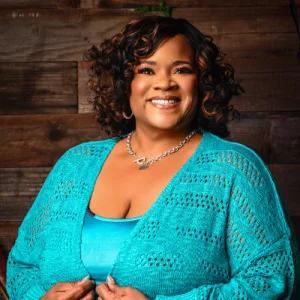
Lisa Jeanne Foster
Licensed Mortgage Professional at Homeowners Financial Group USA, LLC · NMLS #461656
30+ years of mortgage experience, one mission: leaving families better than I found them. I combine experience, strategy and creative solutions to make homeownership possible—even when the path isn’t simple.
Specializes in: FHA
VA
Loans with Down Payment Resources
Licensed in: CA, IL, NV
Related Posts