Choosing between an FHA loan and a conventional loan can be frustrating when both options…

Down Payment Resources: How New Buyers Can Use Them
Buying your first home may make sense on paper, but figuring out the down payment and closing costs can raise a lot of questions. Down payment resource programs provide eligible buyers with funds that may be used toward a down payment, closing costs or both, depending on the program’s rules. In this guide, I’ll explain how these resources work, what eligibility may look like and how to evaluate them as part of your overall financing strategy.
Key Takeaways
- Purpose: Down payment resources may cover eligible down payment or closing costs when used with an approved mortgage.
- Eligibility: Requirements commonly include income limits, purchase price limits, occupancy rules, an approved loan and homebuyer education.
- Repayment: Some resources are grants, while others are forgivable, deferred or repayable second mortgages.
- Timing: Program eligibility and funding should be reviewed early because availability and approval steps can affect the loan process.
- Best For: These programs may be worth evaluating for any eligible buyer who wants to compare ways to structure available funds.
I’m Lisa Jeanne Foster (NMLS# 461656), a Licensed Mortgage Professional and Originating Sales Manager with Homeowners Financial Group. I’m based in the Las Vegas market, and after more than 30 years in lending, I’ve learned that the right place to start isn’t with a program name. It’s with a question: “What are you trying to accomplish?”
Quick Answers About Down Payment Programs
- What can down payment resources cover? Depending on the program, funds may be used toward the required down payment, eligible closing costs or both.
- Do all down payment resources have to be repaid? No. Some are grants, while others have forgiveness requirements, deferred repayment or monthly payments.
- Do I have to be a first-time homebuyer? Not always. Some programs are limited to first-time buyers, while others may be available to repeat buyers who meet the program criteria.
- Can more than one resource be used? Sometimes. The mortgage program, resource provider and lender must all allow the proposed combination.
What Is a Down Payment Resource Program?
A down payment resource program is funding offered by an eligible government agency, housing organization, employer or other approved provider to support a qualified home purchase. These programs are sometimes referred to as homebuyer programs or down payment assistance, but the structure can vary quite a bit.
One program may provide a grant with no scheduled repayment. Another may be recorded as a second mortgage that is forgiven over time, deferred until you sell or refinance, or repaid through monthly payments.
That distinction matters. A resource can change your cash needed at closing, but it may also affect your monthly payment, future refinance options or the amount that must be repaid when the home is sold. I want you to understand your options before you decide how to structure the purchase.
How the Main Types of Down Payment Resources Compare
| Resource Type | How It Commonly Works | What to Review |
|---|---|---|
| Grant | Eligible funds generally do not have scheduled repayment. | Occupancy period, program conditions and current funding availability. |
| Forgivable second mortgage | The balance may be forgiven over time if specific requirements are met. | Forgiveness schedule and what happens after a sale, refinance or early move. |
| Deferred second mortgage | Monthly payments may not be required, but the balance remains due later. | Repayment events, interest terms and future refinance requirements. |
| Repayable second mortgage | The resource is repaid through a separate monthly payment. | Combined monthly payment, loan term and total repayment structure. |
Program names don’t tell you the whole story. Before using one, read the terms and look at how it works with your first mortgage. Guidelines, funding and fees can change, so current information should always be verified.
Who May Be Eligible for Down Payment Resources?
Eligibility is based on the individual program. Being new to homeownership may open certain options, but it isn’t the only requirement.
Programs commonly review:
- Household or qualifying income
- Purchase price
- Property location
- Primary residence occupancy
- Credit and mortgage program requirements
- Debt-to-income ratio
- Buyer contribution requirements
- Homebuyer education completion
- Available program funding
Some programs define a first-time buyer as someone who hasn’t owned a primary residence during a specified lookback period. Others have exceptions or don’t require first-time buyer status at all. The definition needs to be checked against the specific program rather than assumed.
Location can matter too. A resource available for a property in Las Vegas may have different rules from one used in Henderson or another Nevada community. That’s why the property address and program jurisdiction should be reviewed as early as possible.
How Down Payment Resources Work With Your Mortgage
A down payment resource doesn’t replace the first mortgage. It is used alongside an eligible loan program, and both sets of guidelines have to work together.
Conventional Financing
Some conventional programs allow down payments starting at 3%, subject to the borrower, property and program requirements. Eligible resources may be used with certain conventional loans, but income limits, mortgage insurance and second-mortgage rules can vary.
FHA Financing
An FHA home loan commonly has a minimum down payment of 3.5%. Approved resources may be used toward eligible costs, but the source and structure of the funds must meet FHA and lender requirements.
VA Financing
An eligible VA home loan may allow 0% down, subject to entitlement, qualification, property requirements and current guidelines. That doesn’t mean a resource has no value. It may still be worth reviewing eligible closing-cost options and how much personal cash the buyer wants to retain.
There are also other low down payment purchase options that may be considered. The right comparison depends on the full structure, not just the advertised down payment.
Resource Layering Looks at More Than One Source
A buyer may have personal savings, an eligible gift, a homebuyer resource, seller-paid costs or other approved funds. Instead of looking at each item separately, I look at how they may work together. I call this resource layering.
For example, an eligible resource might be applied toward the down payment while an allowed seller credit covers certain closing costs. Personal funds may then cover costs that aren’t eligible under either source. That structure must follow the first mortgage rules, program rules and purchase contract.
Just having access to several resources doesn’t mean they should all be used. We need to compare:
- Cash needed at closing
- Monthly principal, interest, taxes and insurance
- Mortgage insurance when applicable
- Any payment connected to a second mortgage
- Repayment or forgiveness terms
- How a future sale or refinance may be affected
- The amount of personal funds remaining after closing
Getting to the minimum cash requirement is one part of the conversation. Making sure the full structure works with your priorities is another.
Five Steps for Using a Down Payment Program
1. Review Your Full Financial Picture
Start with income, assets, debts, credit, employment and the payment range you’re considering. If income comes from self-employment, commission, 1099 work or several sources, additional documentation and analysis may be needed.
2. Compare the First-Mortgage Options
Look at FHA, VA and conventional financing when they apply. Compare the down payment, mortgage insurance, monthly payment, cash to close and long-term structure. The loan with the smallest initial down payment isn’t automatically the right fit for every situation.
3. Identify Programs That Match the Property and Buyer
Program eligibility may depend on where the home is located, household income, purchase price and occupancy. This review should happen before relying on a resource in your budget.
4. Complete Required Education and Documentation
Many programs require an approved homebuyer education course. There may also be separate applications, disclosures or certifications. Completing these items early can reduce last-minute questions.
5. Confirm Funding Before Closing
Program funds may be limited or subject to reservation procedures. Final approval can depend on the first mortgage, the property, completed documentation and continued funding availability. Funds shouldn’t be treated as confirmed until the appropriate approval and reservation steps are complete.
Questions to Ask Before Choosing a Program
Before deciding, ask for the actual terms in writing. I would want you to understand:
- Is the resource a grant or a second mortgage?
- Does interest accrue?
- Is there a monthly payment?
- What causes repayment to become due?
- Is forgiveness gradual or based on a specific occupancy period?
- Can the first mortgage be refinanced while the second remains in place?
- Are there income or purchase price limits?
- Is homebuyer education required?
- What happens if the program runs out of funds?
The answer may still be that the resource makes sense. It may also show that using more of your own funds or choosing a different mortgage structure works better. My job is to lay out the differences so you can make an informed decision.
Review Your Down Payment Strategy Before You Shop
If you’re preparing to buy in Las Vegas or another Nevada community I serve, we can review your scenario before you begin making offers. I can compare the mortgage options, look at available resources and explain what documentation may be needed for pre-approval planning.
Call, text or email me when you’re ready to review the numbers. Bring your questions. I’ll be straightforward about what appears to fit, what may not and what needs to happen next.
Frequently Asked Questions
Can a down payment resource affect my interest rate or monthly payment?
It may. Some programs are paired with specific first-mortgage terms, and a repayable second mortgage can add another monthly payment. Compare the full payment and loan structure using current program information.
Can down payment resources be used with FHA or VA financing?
Certain approved resources may be compatible with FHA or VA financing. The resource provider, mortgage program and lender must all permit the structure, and the source of funds must be documented under current guidelines.
Can a self-employed buyer use a down payment program?
Self-employment by itself doesn’t determine program eligibility. The buyer’s qualifying income must be documented under the first-mortgage and resource-program rules, which may require tax returns, business records or other documentation.
Will using a resource program make the closing process longer?
It can add steps because the program may require education, separate approval, funding reservations or additional documents. Reviewing those requirements before making an offer can establish a more realistic timeline, but closing dates can’t be guaranteed.
What happens if program funds are no longer available?
Availability can change, and some programs have limited funding or reservation periods. If funds aren’t available, the financing and purchase budget need to be reviewed again to determine whether another responsible structure is available.
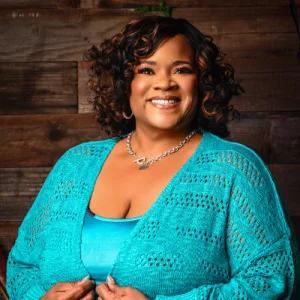
About the Author
Lisa Jeanne Foster
Licensed Mortgage Professional at Homeowners Financial Group USA, LLC · NMLS #461656
30+ years of mortgage experience, one mission: leaving families better than I found them. I combine experience, strategy and creative solutions to make homeownership possible—even when the path isn’t simple.
Specializes in: FHA
VA
Loans with Down Payment Resources
Licensed in: CA, IL, NV
Related Posts